If your building’s air feels stuffy by midafternoon, if dust resettles on desks within a day, or if your maintenance team grumbles about filters clogging faster than coffee makers on Monday, the culprit might be quietly circulating above the ceiling tiles. Commercial duct cleaning isn’t glamorous, but it is one of the most cost effective ways to sharpen indoor air quality, reduce HVAC strain, and keep occupants from blaming the thermostat for a problem rooted in the ductwork.
I have spent more site visits than I can count crawling through mechanical rooms and popping access panels. I have seen ducts so clean you could picnic on the turning vanes, and others that looked like a mossy canyon after pollen season. The difference doesn’t come from luck. It comes from a schedule, qualified technicians, and facility managers who know what to ask for.
This guide distills the practical side of commercial duct cleaning, from deciding whether you need it, to choosing a method, to verifying the job was done right. Expect straight talk, some numbers you can actually use, and a few lessons earned the hard way.
What exactly is commercial duct cleaning?
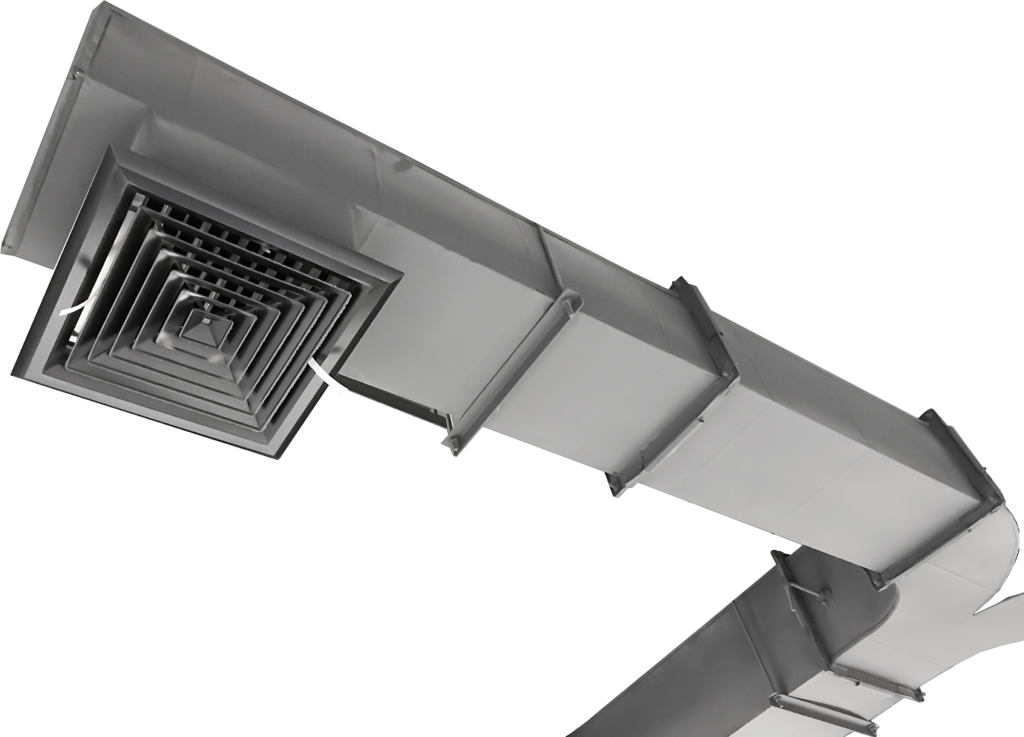
Commercial duct cleaning is the targeted removal of particulate, debris, and microbial growth from HVAC air distribution components in nonresidential buildings. That means supply and return ducts, plenums, VAV and FPB boxes, reheat coils, turning vanes, mixing boxes, and sometimes air handler interiors. In practice, it is less like maid service and more like road work, because you are dealing with the building’s respiratory system while keeping business operations running.
Scope varies by building type. In an office tower, you might focus on main trunks, risers, and high traffic floors that churn through more outdoor air and occupant generated dust. In a food plant, the job expands to grease laden duct sections, tighter sanitation protocols, and frequent coil treatments. Hospitals move more carefully still, with infection control and negative pressure containment.
Why this matters to your bottom line
Airflow is money. When ducts choke with dust, construction residue, and fibrous lint, fans work harder to achieve the same cfm, which means higher kWh and more wear on belts and bearings. I have seen static pressure drop improve by 0.2 to 0.5 inches of water column after cleaning long neglected runs. That might not sound heroic, but across a 30 horsepower supply fan, it often shaves 5 to 10 percent off energy use at typical loads.
Beyond energy, two line items move quickly after a good cleaning. First, filter life. If your prefilters are blushing gray after four weeks instead of eight, dirt upstream is your silent partner. Second, occupant complaints. Dust deposition on work surfaces, odors that linger, and temperature swings often decline when air moves where and how it should. That matters when you count retention, productivity, or lease renewals.
What builds up inside ducts, and why it gets worse after projects
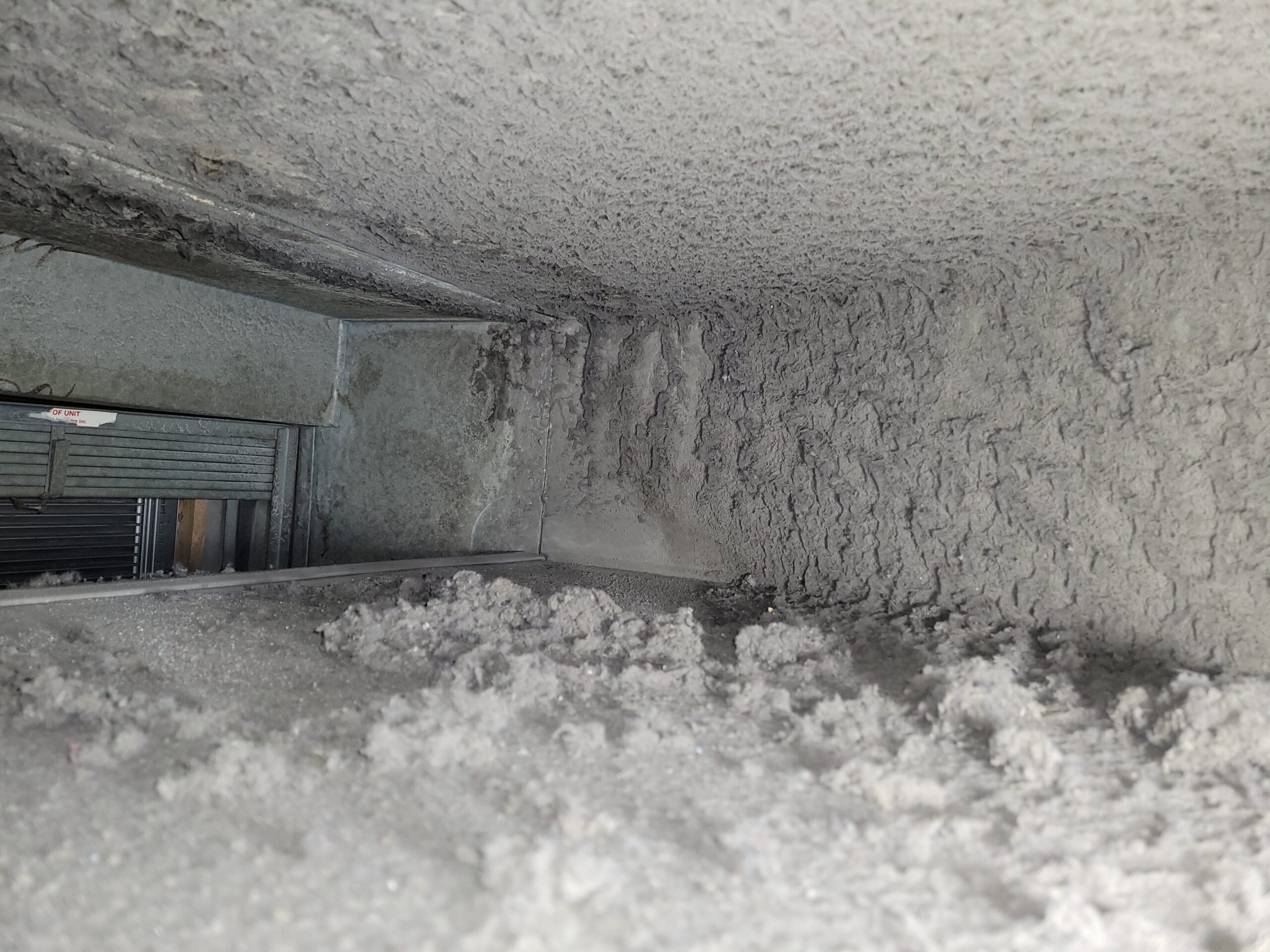
Most debris has pedestrian origins. Skin flakes, textile fibers, toner dust, paper lint, and the fine black dust that rides in from streets or parking structures. Throw in construction and the plot thickens. Drywall fines, sawdust, mineral wool fibers, and adhesive aerosols travel wherever your fans pull them. Even with temporary filters, I have found gypsum paste clinging to turning vanes months after a renovation.
Humidity and temperature swings turn dust into concrete. In supply plenums near cooling coils, condensate splash and air turbulence help bind organics into a crust that sticks to insulation. On the return side, negative pressure pulls in unfiltered air through every gap in a poorly sealed ceiling, which means more dirt, and occasionally bird feathers, if your intakes invite them.

Kitchen exhaust and lab exhaust deserve their own paragraph. They are not standard “HVAC duct cleaning.” They follow different codes, grease removal protocols, and fire safety requirements. If your building has either, you will be hiring different crews with specific certifications.
How often should a building schedule duct cleaning?
There is no one size fits all cadence, and anyone who offers one should earn your skepticism. Frequency depends on several variables, but most commercial facilities land in a 3 to 7 year cycle for full system cleaning, with targeted work more often. Busy zones or post project cleanup might happen every 1 to 2 years.
The best triggers are performance and inspection, not the calendar alone. Watch filter pressure drop trends, static pressure before and after coils and major sections, and IAQ indicators like PM2.5 and VOCs if you monitor them. I have adopted a simple rule of thumb: if your filters have lost 30 to 40 percent of their expected life, or if you are compensating for airflow with higher fan speed or frequent VAV damper adjustments, it is time to open things up.
Standards and what they actually mean on site
Two acronyms matter most: NADCA and ASHRAE. NADCA, the National Air Duct Cleaners Association, publishes ACR, The Standard for Assessment, Cleaning, and Restoration of HVAC Systems. It outlines acceptable methods, containment, and cleanliness verification. ASHRAE offers design and operation guidance, and while it does not prescribe cleaning intervals, its indoor air quality and ventilation standards set the context.
A NADCA certified firm with an ASCS credentialed supervisor is not a guarantee of excellence, but it is a strong filter. It tells you the company trains to a baseline, uses proper equipment, and can speak the same language your consulting engineer uses. On site, that translates to access points cut and capped cleanly, negative pressure maintained during agitation, and photographs before and after, preferably with dates and location tags.
A day in the life of a cleaning project
Most commercial duct cleaning happens at night or in tightly planned daytime windows. Expect a pre job survey, a safety talk in the mechanical room, and clear signage anywhere technicians will enter a ceiling. The crew will isolate zones to maintain negative pressure on the sections being cleaned, then they will attach large HEPA filtered vacuums or truck mounted negative air units to key access points.
Agitation tools do the hard work. Think rotary brushes, compressed air whips, and soft tip skippers that blast dust toward the vacuum. In lined ducts, technicians should dial down aggressiveness to protect insulation. In old fiberboard or flex, brushing can do more harm than good, and compressed air becomes the primary method.
For VAV boxes and reheat coils, the team will pop access panels, vacuum, and wipe internal surfaces. Coils may be cleaned in place with low pressure, non corrosive coil cleaners, or removed for soaking when feasible. Expect some noise, and warn tenants that they might hear thumps and whirs above the ceiling. A good supervisor coordinates with building operations to stage floors and minimize disruption.
Chemical sanitizers, and when to keep the cap on the bottle
Disinfectants tempt managers who want a silver bullet against odors or mold. Used appropriately, EPA registered products can help in specific scenarios, like after a water event or in odor remediation. More often, I find that thorough mechanical cleaning, coil hygiene, and dry ducts solve the actual problem. Spraying chemicals into a dirty duct is perfume on a gym bag.
If you do use a sanitizer or coating, insist on product data sheets, dry time, VOC content, and material compatibility. Confirm whether the product is approved for use on fiberglass duct liner. Verify re occupancy timeframes so tenants do not return to a solvent tang. And do not skip ventilation during application, even if the label says it is gentle.
Verification that is worth more than glossy photos
Before and after photos help, but they can flatter to deceive. Ask for location references in each shot, such as damper positions, labels, or unique fittings, so you know you are not seeing two angles of the same elbow. More importantly, request measurable indicators where possible.
There are practical ways to quantify improvement, even without a lab. Measure differential pressure across key filters before and after, with the same fan speed, if your BAS allows it. Record static pressure at test ports in the main trunks. Spot check coil face velocity and temperature differential. Dust sampling with tape lifts can be informative, but keep it simple and consistent across locations. The point is to avoid the “trust me, it looks better” problem.
When duct cleaning is not the answer
I have walked projects where the real trouble was leaky duct seams, a blocked outside air damper, or a VAV box stuck half open. Duct cleaning cannot fix bad design or failed controls. If your static pressure is low because your supply fan is undersized or your belts are loose, no amount of brushing will rescue airflow. Likewise, mold on coil housings rarely starts in the ducts, it starts with condensation forming because of poor drain pan pitch, missing insulation, or low airflow across the coil.
That is why I favor pairing any cleaning project with a light commissioning pass. Check damper operation, verify economizer logic, inspect drain pans and traps, and confirm that access panels seal tightly. Otherwise, you can spend money on clean ducts that will look tired again within a year.
Choosing a contractor without rolling the dice
Not all commercial duct cleaning outfits are created equal. In busy markets, you will find a spectrum from white glove specialists to folks who just graduated from chimney sweeping. Request references from buildings like yours. Office towers, healthcare, education, industrial, and retail each carry different risk profiles and expectations. Review insurance certificates and confirm workers are W2 employees or vetted subcontractors.
Ask how they protect downstream equipment. A pro will describe containment, filter protection, and how they handle contamination that migrates toward the air handler. If they look puzzled when you ask about pressurization strategy for lined ducts, keep looking. As for pricing, expect big swings. Per square foot numbers are blunt instruments. Better quotes break scope into air handler sections, duct lengths, and counts of VAV boxes, with unit pricing you can audit.
Costs and ROI, with realistic brackets
Pricing depends on access, night work premiums, building height, and how pristine you want things. For a straightforward office building, I have seen full system cleaning range from 0.40 to 1.25 dollars per square foot served, including air handlers and terminal units. Facilities with heavy buildup, lined ducts in poor condition, or complex access needs hit the higher end. Hospitals, labs, and food plants often sit outside these ranges because of containment, certification, and documentation requirements.
Energy savings after cleaning vary. If your system was relatively clean, you might save little, and the payback comes through IAQ and maintenance. In dusty buildings with tired ducts, energy reductions of 5 to 15 percent on fan power are plausible, with filter spend dropping 10 to 30 percent depending on your current changeout cycle. The fastest paybacks I have seen came after construction dust infiltrated return plenums, where cleaning restored airflow and solved a wave of hot and cold calls overnight.
Quick pre clean checklist for facility managers
- Walk key mechanical rooms and confirm safe, clear access to air handlers and duct risers. Tag and photograph current filter conditions and record differential pressure across them. Coordinate after hours access, tenant notices, and security permissions for ceiling entry. Mark sensitive zones, labs, or IT closets that require special precautions. Pull O&M manuals and past reports so the crew understands what they will open.
Methods at a glance, and where each shines
- Negative air plus agitation: the workhorse for most commercial ducts, uses HEPA filtered vacuums to pull loosened debris toward collection. Contact vacuuming: hand applied, ideal for sensitive lined sections, VAV boxes, and coil housings where brushes might damage surfaces. Air whips and skippers: efficient in long straight runs, rely on compressed air to chase dust toward the vacuum, less abrasive than brushes. Robotic cleaning and video inspection: valuable in large ducts or inaccessible runs, provides documentation and reaches tight corners without tearing down ceilings. Coil cleaning in place: low pressure foams or enzymatic cleaners applied carefully, paired with drain pan service to restore heat transfer.
Each method has fail points. Brushes can erode duct liner if applied aggressively. High pressure water on coils can bend fins and trap moisture. Compressed air without containment just blows dust into occupied spaces. The right contractor selects and sequences methods to match your duct materials and building use.
Special cases that deserve extra planning
Healthcare projects run on infection control. Temporary anterooms, HEPA scrubbers, and strict negative pressure are non negotiable. You will generate dust and possibly disturb dormant spores, so coordinate with the hospital’s infection prevention team. Document chain of custody for any filters or debris leaving the site.
For schools, timing is everything. Summer windows let you stage comprehensive cleaning without chasing teachers from classrooms. Be ready for surprises in return plenums where student projects and ceiling art shed glitter and glue dust that never dies.
Industrial sites bring hazards. Combustible dust is its own discipline. If you have flour, sugar, sawdust, or metal fines, treat ducts and dust collectors with the seriousness they deserve and follow NFPA guidance. Explosive dust plus a spark from a tool is the wrong kind of excitement.
What a good report looks like after the work
The best reports read like a short field novel, not a brochure. They include a clear scope, a map or list of zones serviced, equipment IDs for air handlers and VAV boxes, and a log of access openings cut and capped. Photos should be dated and labeled with locations, not just “before” and “after.”
I prefer to see a handful of simple metrics, not a blizzard of charts. Filter differential pressure trends, static readings at a few repeatable points, coil temperature differential, and any airflow measurements the team could capture without disrupting balance. Notes on damaged insulation, missing access panels, or failed gaskets go straight to the maintenance queue. This is where cleaning intersects with asset management, and it is where you squeeze more value out of the spend.
How to keep ducts cleaner for longer
Think of duct cleaning as a reset, not a lifestyle. What you do in the months that follow decides how long the reset lasts. Seal return air paths so you are not sucking in debris from interstitial spaces. Upgrade to MERV 13 where systems can handle the pressure drop, and check that filter racks seal properly so air does not bypass. Keep outdoor air intakes free of leaf litter and bird nests, and consider snow hoods or screens that are easy to clean.
Balance humidity. High humidity binds dust to surfaces. Low humidity creates static that attracts lint and helps it cling. If your building lives in the extremes, you will battle buildup either way. Finally, follow coil hygiene religiously. Clean, dry coils and pans cut down on bacterial and mold growth, which means fewer odors and less sticky residue that traps dust downstream.
Coordinating around people, because your ducts do not exist in a vacuum
Even the tidiest crew causes temporary disruption. Plan the human side early. Night work is quieter for tenants but costlier for you, and some buildings have noise restrictions around neighboring residences. If you allow day work, move sensitive teams away from active zones and schedule noisy agitation during lunch or brief windows of flexibility. Security will need to escort after hours access, and elevators must handle equipment without dinging cabs. A single scuffed stainless panel can eat a whole day’s savings.
Communication helps more than any air freshener. Tenants appreciate knowing what those thumps in the ceiling are and why the building might smell faintly like cleaner for an hour after a shift. Share a one page note with the project schedule, expected sounds and smells, and a contact number for questions. Grumbles tend to vanish when people understand the purpose.
Common pitfalls I keep seeing, and how to avoid them
One repeat offender is skipping access panels. Technicians try to reach 30 feet of duct from a single opening, which leaves elbows and back sides of turning vanes untouched. If you do not see new, properly sealed access ports after the job, ask how they reached those sections. Poorly sealed panels become whistle points and dust magnets later.
Another issue is cleaning only the supply side. Return ducts often carry the heavier load because they drink in unfiltered air from imperfect ceilings. Neglecting returns means you will redeposit dust into the supply via the air handler. Clean both, or pencil in another project soon.
Finally, forgetting to coordinate with controls can bite you. Put fans into manual as directed, disable demand control ventilation temporarily, and lock out unexpected starts while people are in ducts. I have two vivid memories of fans spooling up mid job. Nobody got hurt, but once is enough to burn in the checklist.
A simple path to scoping and bidding without surprises
Start with a walkthrough and a short scope narrative, written in normal language. Note building use, hours, special areas, and known problem zones. List the number and type of air handlers, approximate duct lengths by floor or riser, and how many VAV boxes and coils you expect to include. Attach a floor plan with rough markups.
Decide on deliverables up front. Ask bidders to include access panel counts, documentation standards, and any anticipated ceiling removals. Request unit prices for add or delete work, like extra VAV boxes or coil pulls, so you are not renegotiating mid shift. Finally, choose verification steps in the RFP. If you want static pressure readings or coil delta T before and after, say so now.
The quiet irony of clean air
When duct cleaning works, nobody marvels. The air just feels right, drafts calm down, and the complaints board in the lobby elevator stops sprouting Post it notes about temperature wars. Facilities teams notice filters lasting longer, BAS trend lines looking steadier, and that one zone on the southeast corner finally hitting setpoint at 3 p.m.
That quiet result is the point. Commercial duct cleaning, done thoughtfully, pays you back in less drama and fewer energy and maintenance leaks. It is not a trophy project, but it holds your other wins in place, from a better filter strategy to a well tuned economizer.
Keep your expectations practical. Aim for cleaner, not sterile. Verify, do not guess. Pair the work with small fixes that reinforce the result. And remember that the ducts above your ceiling are not just sheet metal, they are the arteries that keep your building productive. Treat them that way, and they will quietly pay you Advanced Environmental Service back, season after season.